


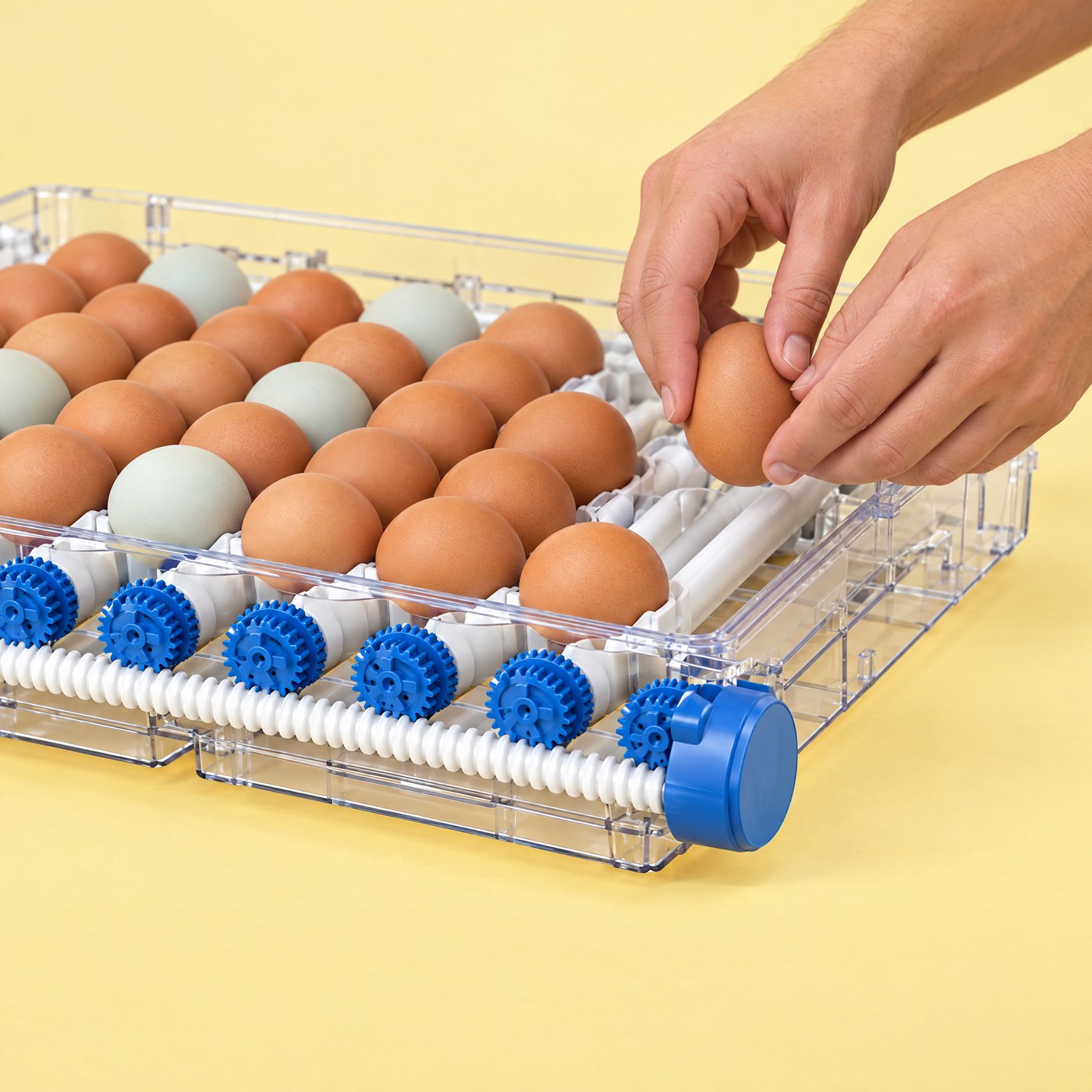
Set up and stabilize
Disinfect the incubator and run it for several days before setting eggs (Texas A&M). Send us a photo of the display and we confirm you are ready to set eggs.
Drawer menu
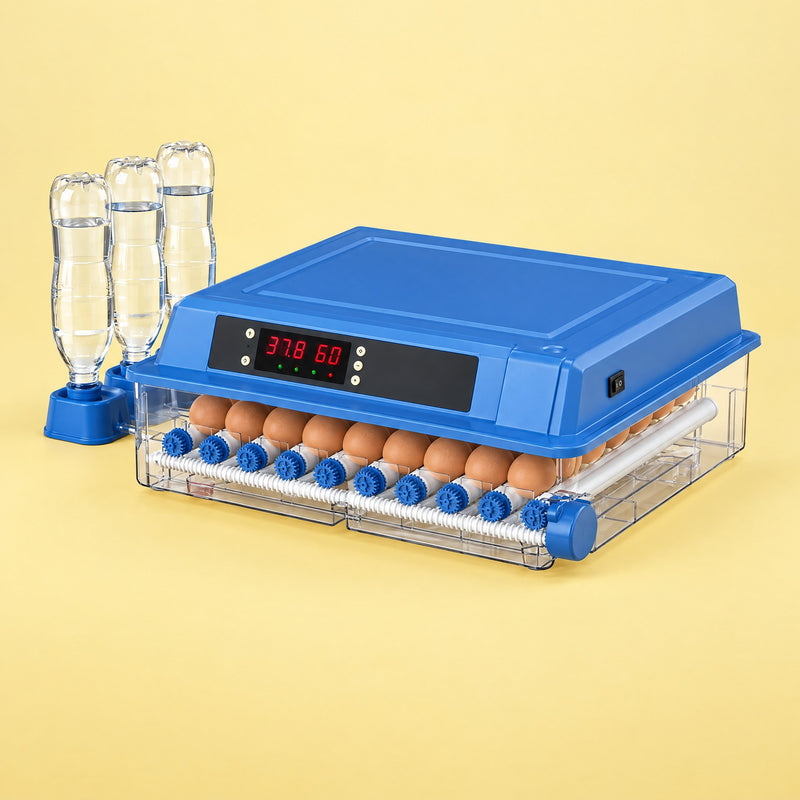
 Compact 99-egg incubator01 / 04Compact 99-egg incubatorTest batches, classrooms and labs. One clutch at a time.$129 USDView
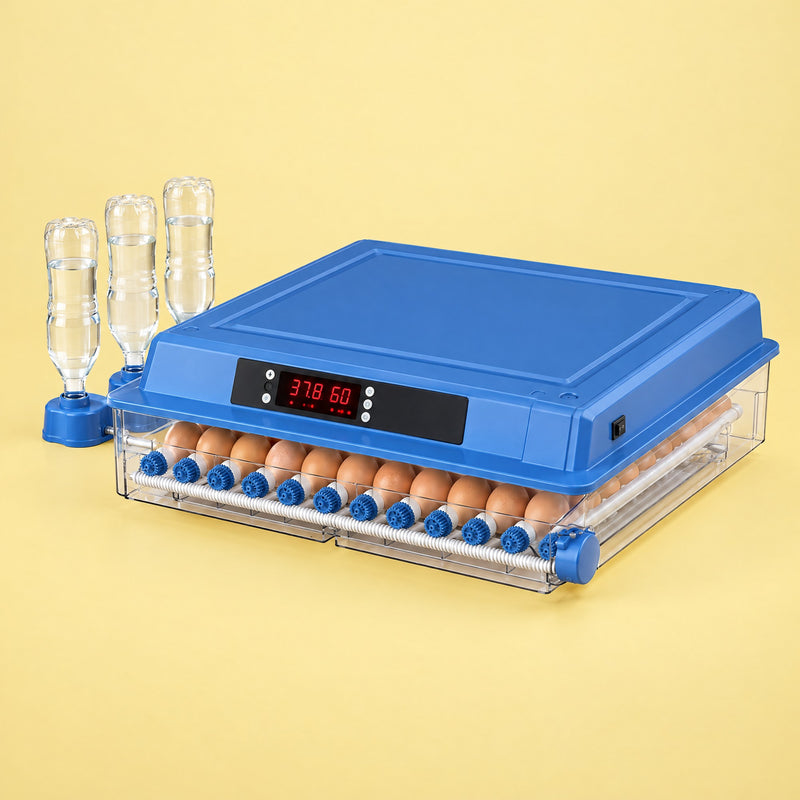
 Home 4848-egg incubator02 / 04Home 4848-egg incubatorBreeder flocks.$329.99 USDView
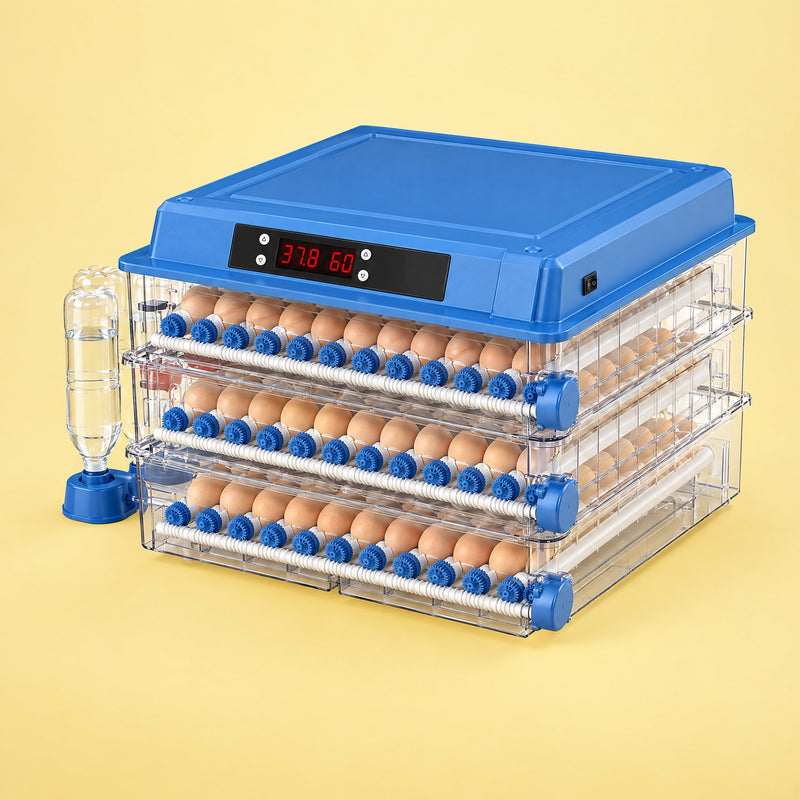
 Pro 9898-egg incubator03 / 04Pro 9898-egg incubatorBreeders, game bird farms and anyone selling started pullets.$399 USDView
 Farm 300300-egg incubator04 / 04Farm 300300-egg incubatorSmall hatcheries and farms.$699 USDView
9 to 300 eggs
The Ovatekly
range
Day support
An incubator with a person attached. For all 21 days of your hatch, a real person answers your questions.
Shop incubators
Day 0
Twenty-one days from now it is a chick. This is what happens in between.
A chick is twenty-one days of steady warmth. Set your eggs, close the lid, and the incubator holds 100 °F, turns every egg every two hours and takes its humidity from bottles outside, so the lid stays shut. Candle on day seven lock down on day eighteen, and on day twenty-one you will hear who is inside.
21days
From set to hatch, chicken eggs
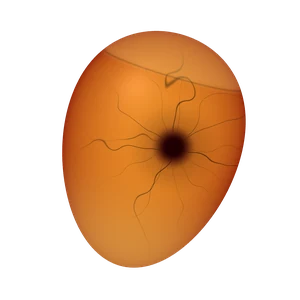
Where the 21 days go
Day 0 to 18
Day 18 to 21
4 moments
Set, candle, lockdown, hatch.
The incubator does
the rounds in between.
Four sizes, from 9 to 300 eggs. The same controls on every one, and a real person with you for all 21 days.
The key days of a chicken hatch. A person answers your questions on every one of them.
Pick your size
Same controls, same construction, same 21-day Hatch Support on every unit.
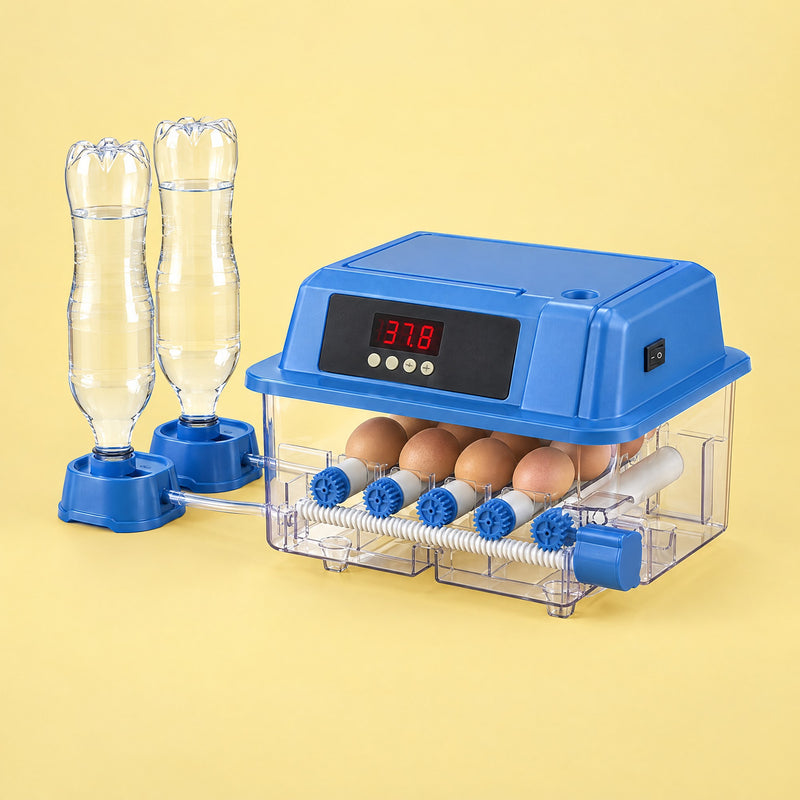
Test batches, classrooms and labs. One clutch at a time.
Breeder flocks.
Breeders, game bird farms and anyone selling started pullets.
Small hatcheries and farms.
Not sure which one? Use the Size Finder
Hatching at volume? Tell us what you need to hatch in a year and we will size the line and quote it. Ask for a volume quote
Hand-rearing baby birds? We also make a warm-air brooder for parrot chicks. See the Brooder
By hand or by machine
Hatching by hand means turning every egg several times a day and opening the lid to add water. Each feature takes one of those chores off your list.
| The job | By hand | With an Ovatekly |
|---|---|---|
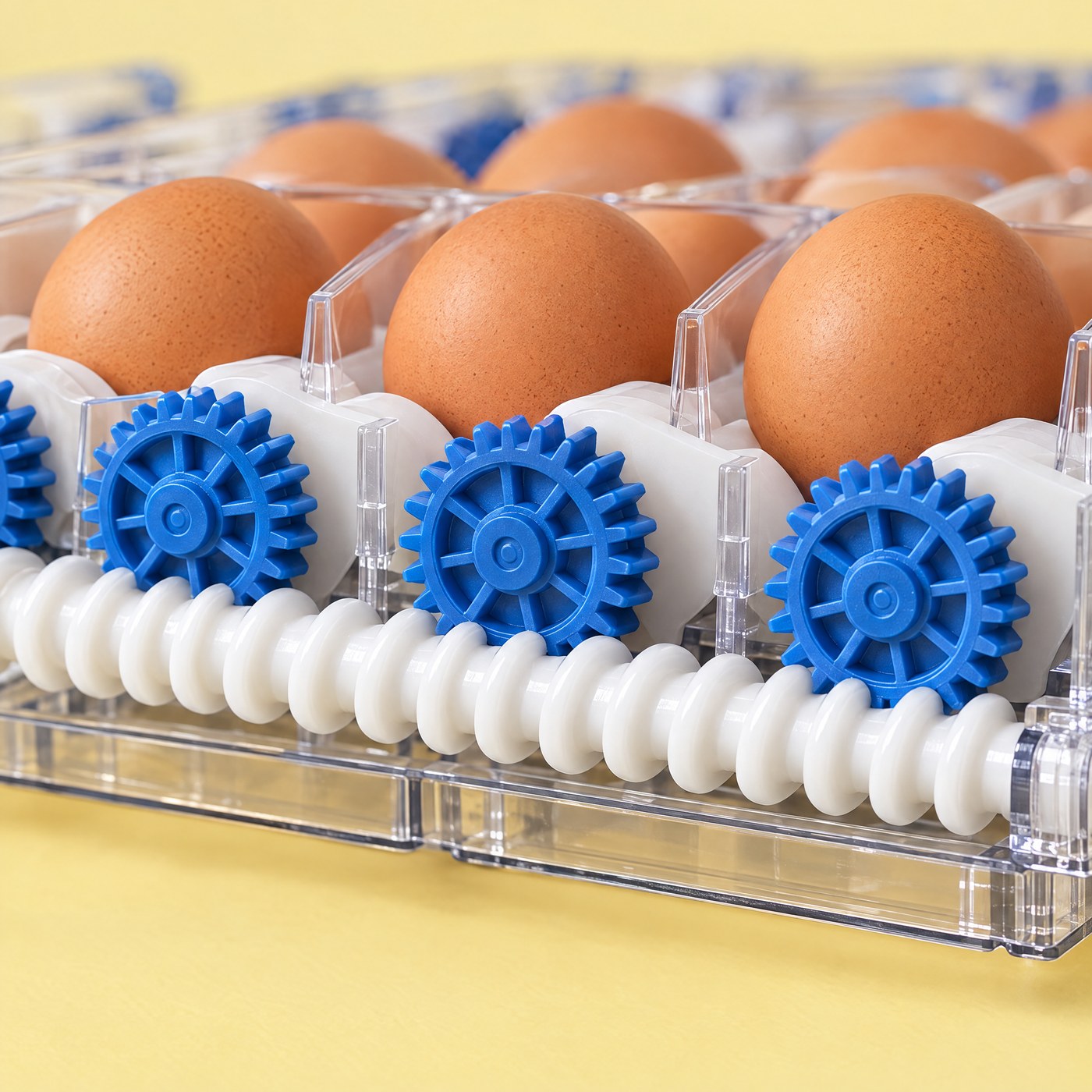
| Turning the eggs | You, at least 3 times a day, weekends includedTexas A&M, Kansas State | Automatic rollers, every 2 hours |
| Adding water | You, as the reading drops | You refill the external bottles. The lid stays closed. |
| Watching the heat | You, with a thermometer, at least twice a day, and a daily logTexas A&M | The display shows the reading. Alarm if the temperature drifts. |
| Knowing the day | You, on a calendar | Day counter on the display |
| Candling | You, with a lamp | You, with the built-in candling light |
| Help if something looks wrong | Up to you | 21 days of Hatch Support by email, from a real person |
Turning and monitoring guidance: Texas A&M AgriLife Extension, Hatching Eggs in the Classroom (E-635), and Kansas State University.
Engineering
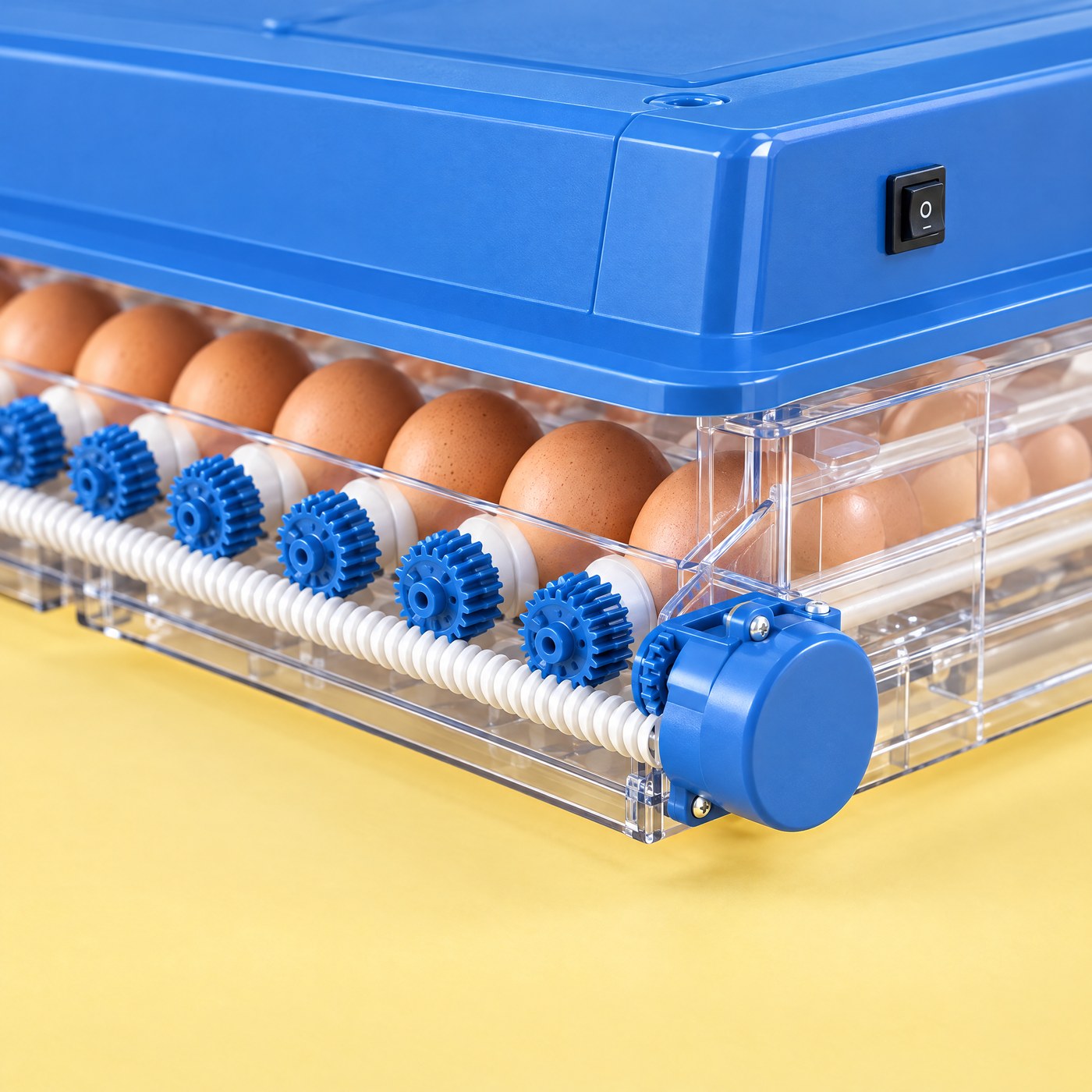
Two systems do most of the work in an incubator: the turning mechanism and the heat path.
Mechanism
Eggs are turned automatically every two hours, removing manual turning entirely. Every roller sits on one connected drive shaft, so a worn gear cannot throw the rest of the tray out of cycle.
Thermal design
Two fans draw warm air down channels on both sides of the chamber and sweep it across every tray before it recirculates. The top tray and the bottom tray see the same temperature.
Hatch Support
A failed batch costs you the eggs, the twenty-one days and a slot in your season. That is why every Ovatekly ships with Hatch Support: commissioning, readings, fault diagnosis and parts, answered by someone who knows the machine.
Disinfect the incubator and run it for several days before setting eggs (Texas A&M). Send us a photo of the display and we confirm you are ready to set eggs.
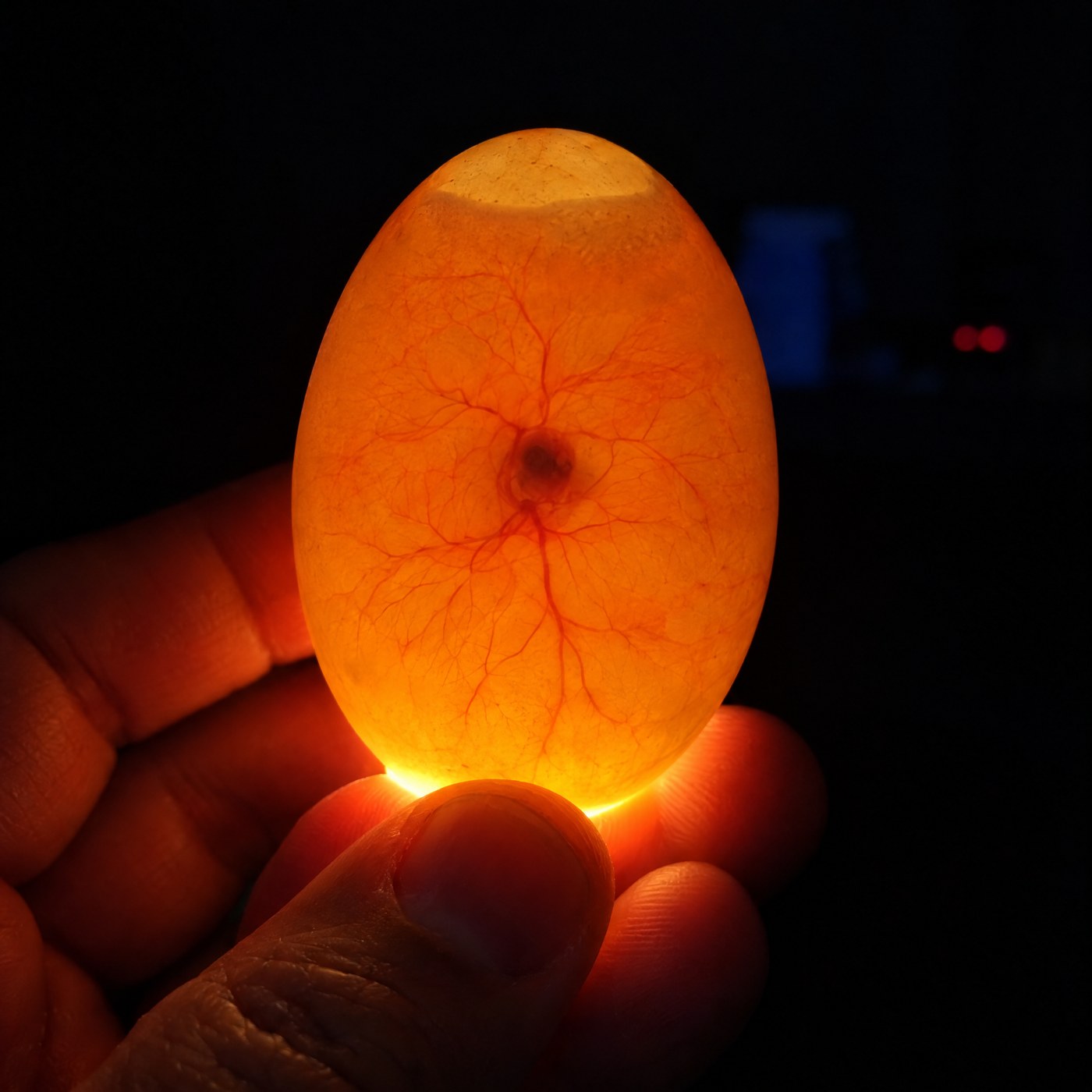
Hold each egg to the candling light. Veins mean a chick. Send us a photo if you are unsure and we will tell you which ones to keep.
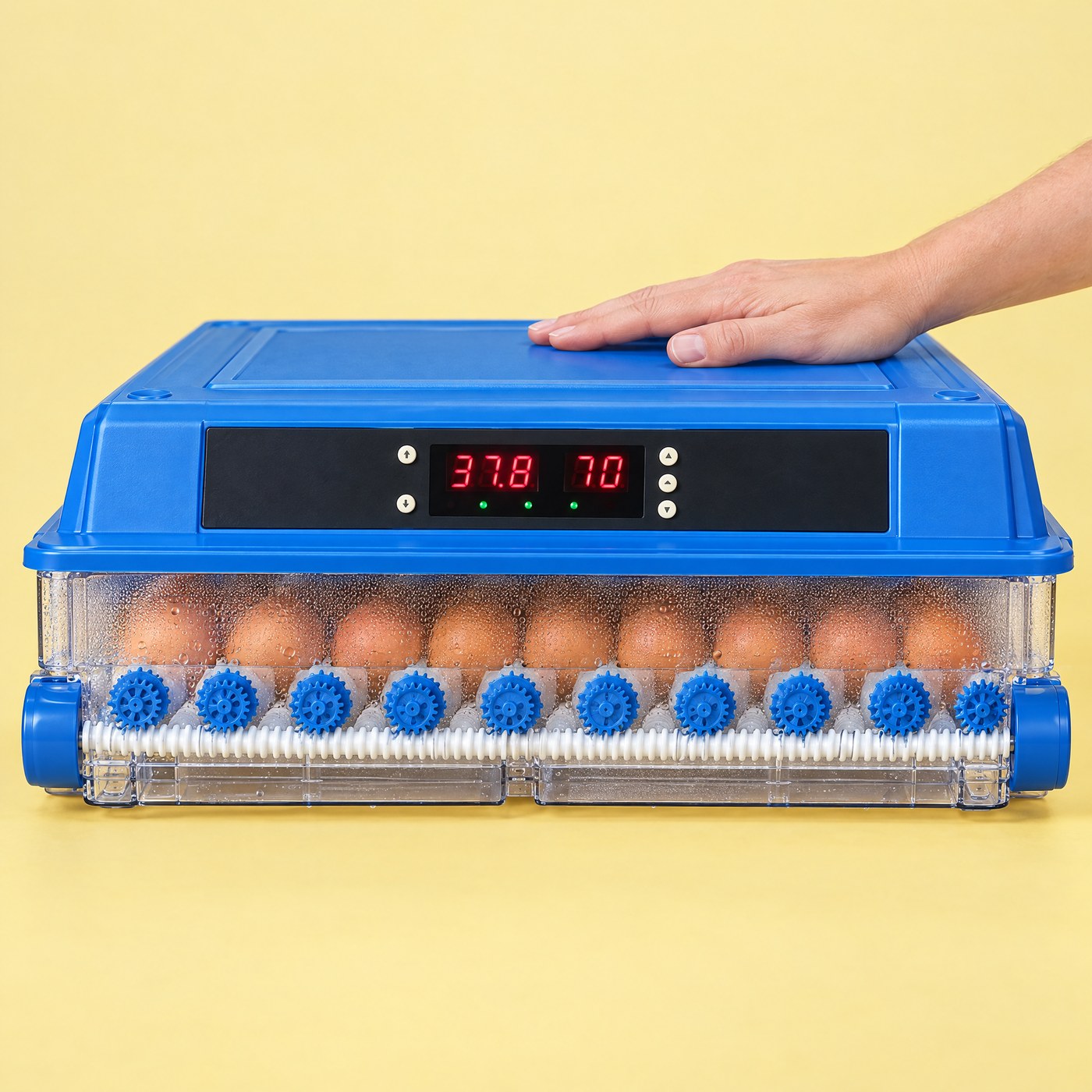
Humidity goes up, lid stays closed. We send you a reminder.

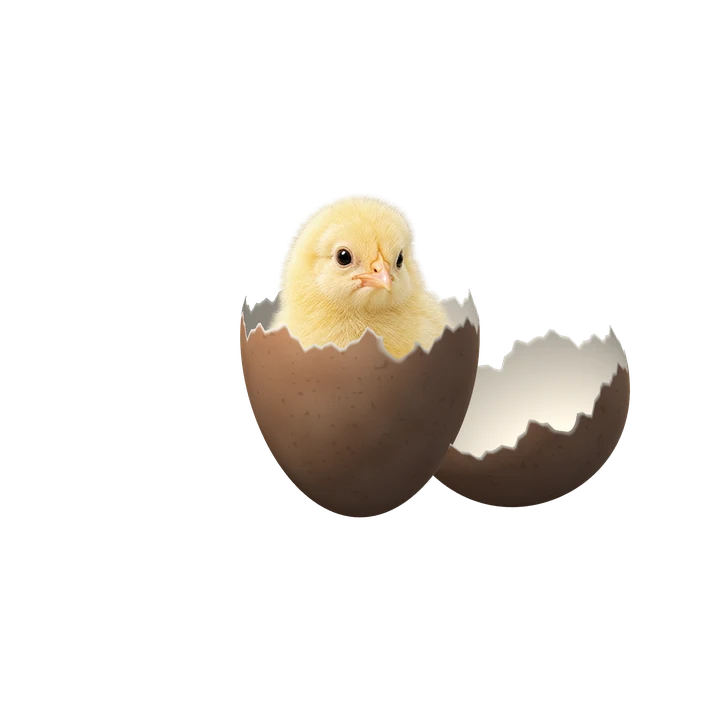
Chicks pip, rest, then zip out over 24 hours. Leave them in until they are dry and fluffy. Then send us the photo.
contact@ovatekly.com
Send the day you are on and a photo of the display. We reply Monday to Friday, 9 am to 6 pm ET. Other species run on different calendars: the Hatch Guide has the table.
Free with every order
A pocket egg scale with a weight-loss card, added to your cart at $0 with anything you buy. Weigh an egg on day 0, 7, 14 and 18 and you know your humidity is right, before the hatch is lost.
Before you buy
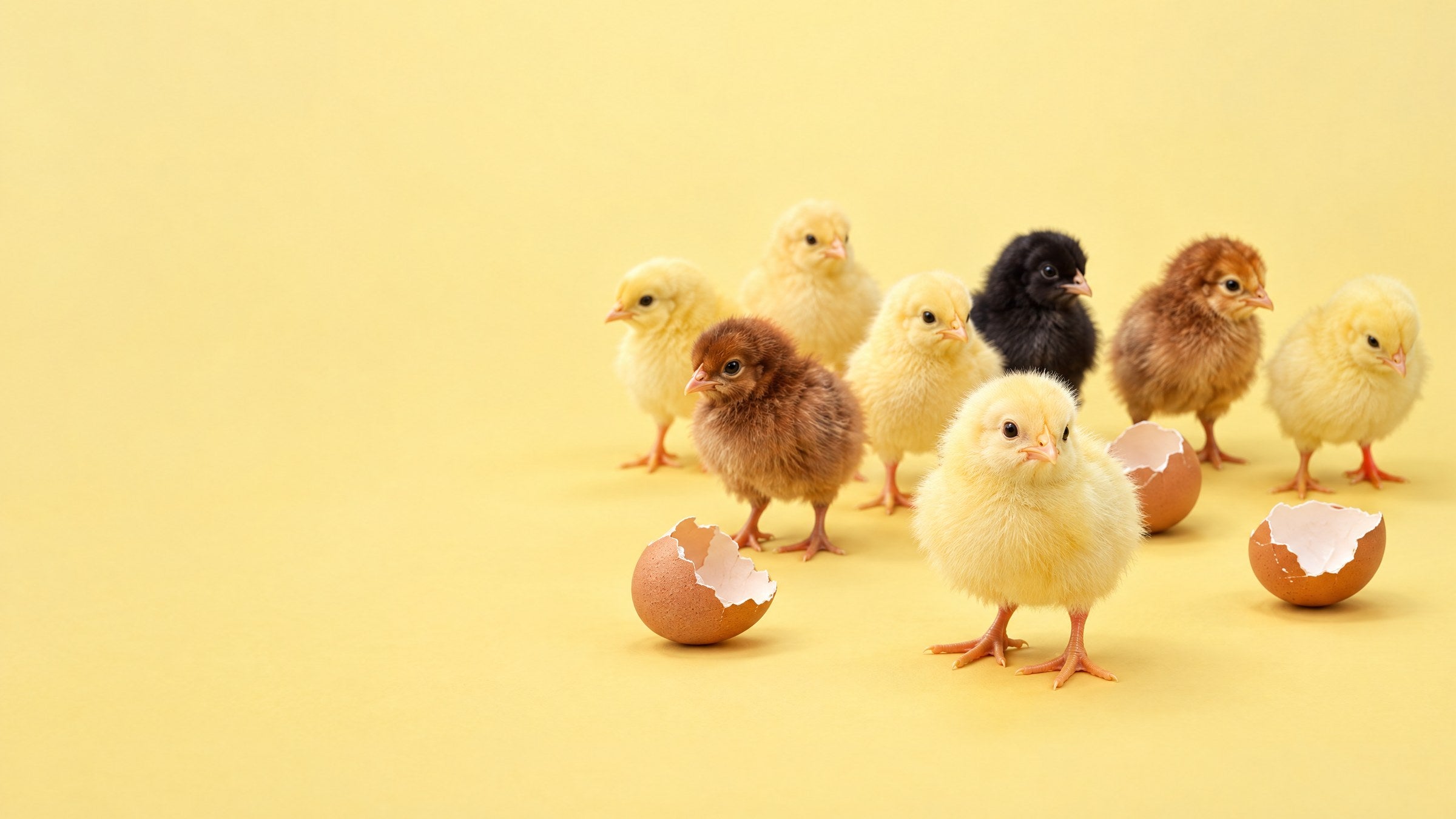
Day 21
Steady heat, a turn every two hours and humidity you refill without lifting the lid.
Read our storyQuestions
Yours is not here? The full FAQ has more, or email contact@ovatekly.com. A real person answers.

Product images are illustrations.
